Video Library
Good news! Banzai's educational videos are here. To give you total flexibility, we've included two formats:
- 16x9 (Landscape): Best for websites, orientation and classroom presentations, and campus events.
- 9x16 (Vertical): Built for social media (Reels, TikTok, Shorts, and video posts).
Each video is packaged in a compressed (.zip) folder. Inside each download, you'll find the core video files (.mp4) and closed captioning files (.vtt) in English, Spanish, French, Vietnamese, Arabic, and Chinese (Simplified).
You can integrate the captions easily by importing the .mp4 into any video editing software (free or paid), attaching the corresponding .vtt file, and turning captions on.
The no-logo versions are yours to use however you like. Add your school's logo, an intro or closing slide, or edit them to fit your channels and students.
Videos for Your Students
Wellness Center Introduction
Ages 18+ | College students and adults
Gives a tour of the Financial Wellness Center, walking users through the financial wellness assessment, videos, articles, calculators and coaches.

What's the 50/30/20 Rule?
Ages 18+ | College students and adults
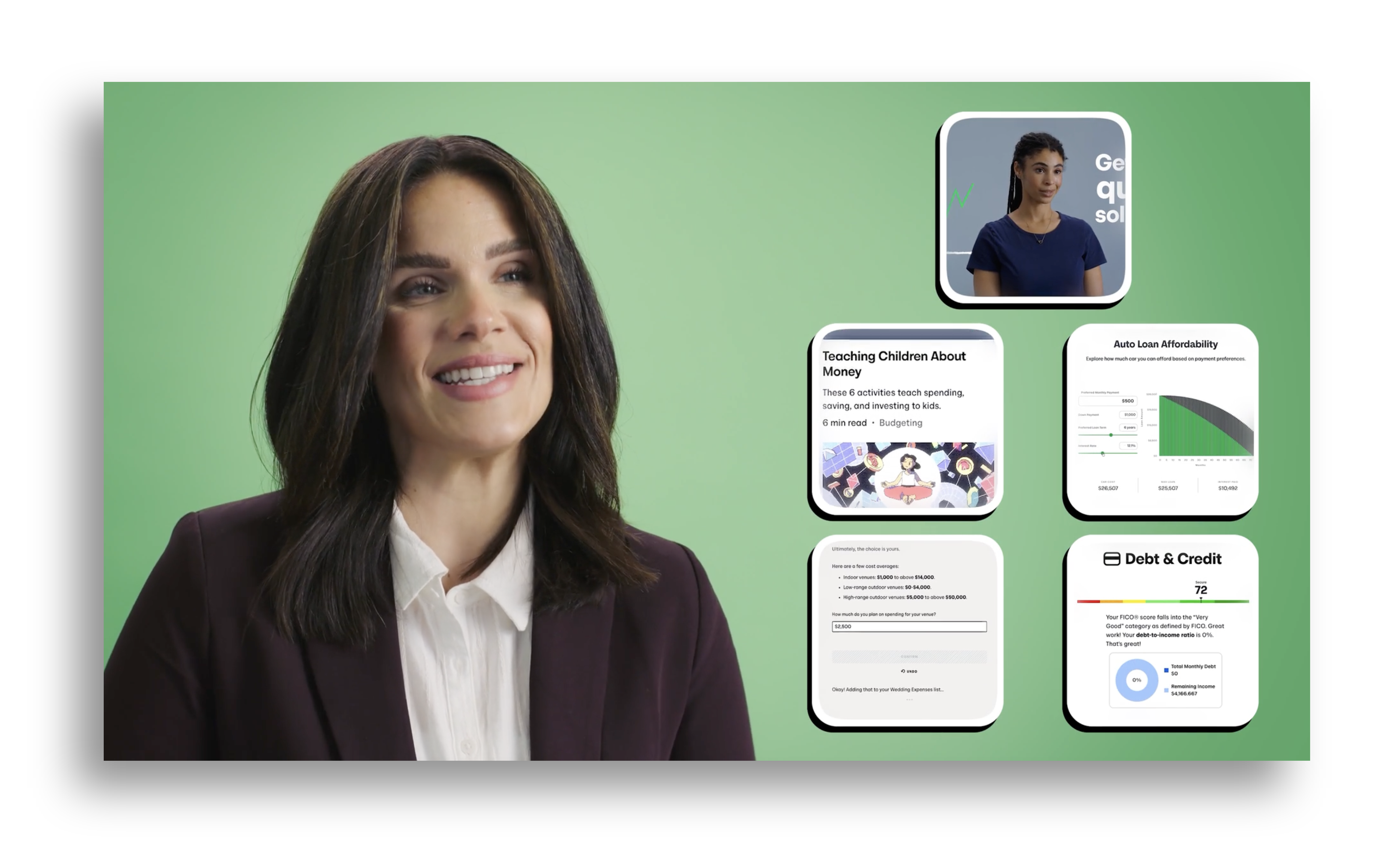
Describes the 50/30/20 Rule and stresses that spending on wants is fine in moderation.

What Accounts Are at My Financial Institution?
Ages 18+ | College students and adults
Covers checking, savings, high-yield savings, CDs and share certificates, APY, and FDIC/NCUA insurance.

How Do Auto Loans Work?
Ages 18+ | College students and adults
Covers down payments, trade-ins, loan-to-value ratio, preapproval, APR and what exactly determines a monthly payment.

How Do I Make Financially Healthy Investments?
Ages 18+ | College students and adults
Introduces four principles for financially healthy investments: goal-setting, risk tolerance, long-term thinking, and diversification.

How Does Credit Work?
Ages 18+ | College students and adults
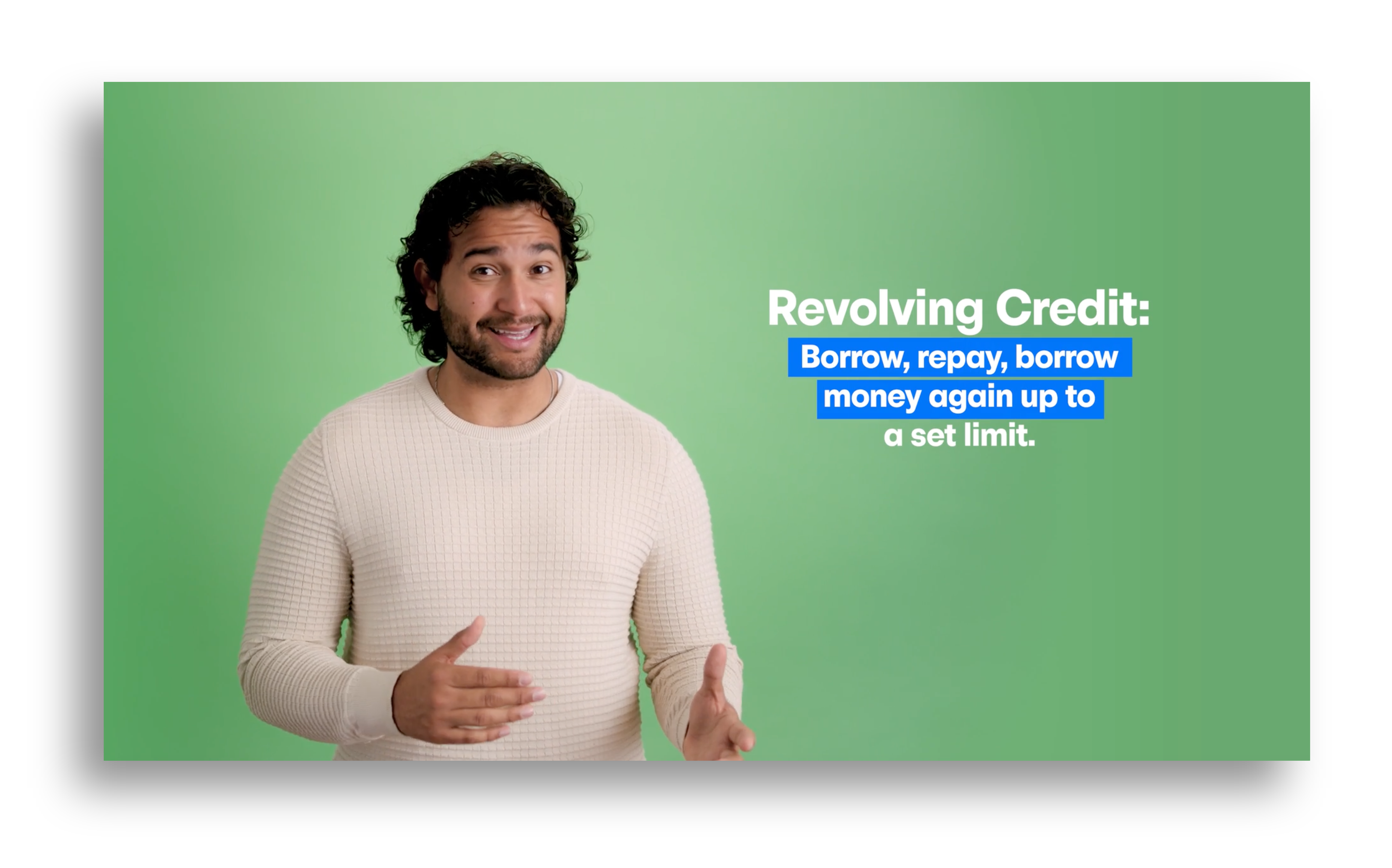
Using a tree as a simple visual metaphor, this video shows how credit branches into installment and revolving accounts. From there, viewers learn how to read a credit report and deconstruct the exact factors that determine a FICO® Score.
How Do I Protect My Accounts?
Ages 18+ | College students and adults
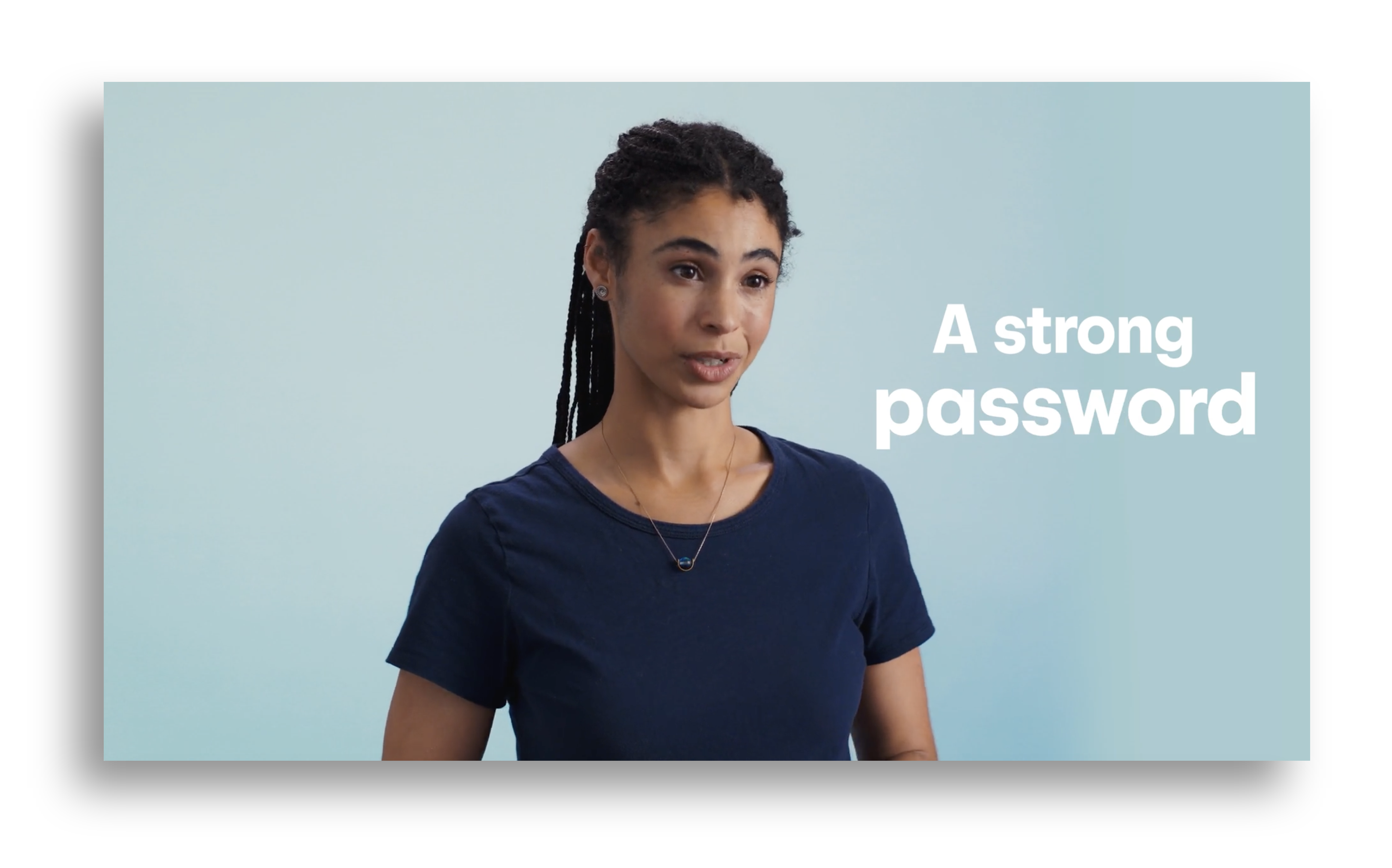
Covers strong passwords, password managers, two-factor authentication, software updates, and phishing.
How Do Mortgages Work?
Ages 18+ | College students and adults
This video compares conventional and government-backed loans (FHA, VA, and USDA), explores the trade-offs of fixed versus adjustable rates, and explains private mortgage insurance (PMI). It also breaks down the key components that make up a monthly mortgage payment.

How Can I Repay My Debt?
Ages 18+ | College students and adults
Compares the debt snowball and avalanche methods, then covers refinancing and debt counseling.

How Do Retirement Plans Work?
Ages 18+ | College students and adults
Covers 401(k)s, employer matches, IRAs, and traditional vs. Roth accounts.

How Do I Improve My Saving?
Ages 18+ | College students and adults
Using a trip to Europe as a real-world example, this video walks viewers through the practical steps to reach a big savings goal by saving with a purpose.

How Do I Spot a Scam?
Ages 18+ | College students and adults
Teaches viewers how to recognize common red flags of fraud, such as high-pressure urgency and emotional manipulation when requesting personal information. It also covers practical habits to stay safe online, including navigating directly to official websites rather than clicking unfamiliar links.

Best Practices
These educational videos open up a world of possibilities for reaching your students. You can always come up with your own (no doubt more creative) ways of using them, but if you need some ideas to get you started, here are some ways to get them in front of current and prospective students quickly:
Financial Aid Office and Campus Screens
Looking for content for the TVs in your Financial Aid office, student center, or other high-traffic campus spaces? This is a great tool. You can use the Banzai-branded videos or download the "no-logo" versions and add your school's logo using the video editing software of your choice, so students see your office front and center while they learn.
Target the videos to the space for the best results. For example, run budgeting and saving videos in Financial Aid waiting areas, credit and debt repayment videos near the Bursar or Student Accounts office, and scam and account security videos in residence halls, the library, and the student union.
Web Placement (16x9)
Anchor the videos to specific pages on your Financial Aid website rather than collecting them all in one video hub. For example, put "How Can I Repay My Debt?" on your student loan repayment or exit counseling page, and "What's the 50/30/20 Rule?" on your cost of attendance or budgeting page.
Pair each video with a clear call to action, such as "Questions about repaying your student loans? Schedule time with a Financial Aid counselor" next to "How Can I Repay My Debt?"
Social Media Uses
Time your posts to the student financial calendar: when the FAFSA opens, at the start of each term, around refund disbursement, during tax season, and before graduation and loan exit counseling. Pair scam and account security videos with Cybersecurity Awareness Month in October.
Cut the videos into short 9x16 clips and post them to Reels, TikTok, and YouTube Shorts with a caption that points students to your school's financial wellness portal.


Orientation, First-Year Experience, and Campus Partners
Play a short video to open new student and transfer orientation sessions, family weekend programs, or First-Year Experience seminars. Share the videos with campus partners like TRIO, Residential Life, Student Success, and Career Services so they can use them in their own programming. For example, Career Services can pair "How Do Retirement Plans Work?" with workshops on evaluating job offers and benefits.
Multilingual Support
Turn on the Spanish, Vietnamese, Arabic, French, or Chinese captions to reach international students, English learners, and the families of prospective students. Tracking engagement across languages can also support your office's reporting on financial literacy and student outreach efforts.
Financial Aid Counseling Follow-Up
Students often bring the same questions to your counselors about credit, loans, and budgeting. These videos can act as frontline support for Financial Aid counselors and front desk staff.
They can also soften a difficult conversation, such as a funding gap or a denied Parent PLUS or private loan application. Counselors can follow up with an email that includes "How Does Credit Work?" and "How Do I Improve My Saving?" so students and families leave with a plan, not just a no.