Video Library
Good news! Banzai's educational videos are here. To give you total flexibility, we've included two formats:
- 16x9 (Landscape): Best for websites, classroom presentations, and community events.
- 9x16 (Vertical): Built for social media (Reels, TikTok, Shorts, and video posts).
Each video is packaged in a compressed (.zip) folder. Inside each download, you'll find the core video files (.mp4) and closed captioning files (.vtt) in English, Spanish, French, Vietnamese, Arabic, and Chinese (Simplified).
You can integrate the captions easily by importing the .mp4 into any video editing software (free or paid), attaching the corresponding .vtt file, and turning captions on.
The no-logo versions are yours to use however you like. Add your institution's logo, an intro or closing slide, or edit them to fit your channels and account holders.
Videos for Your Account Holders and Community
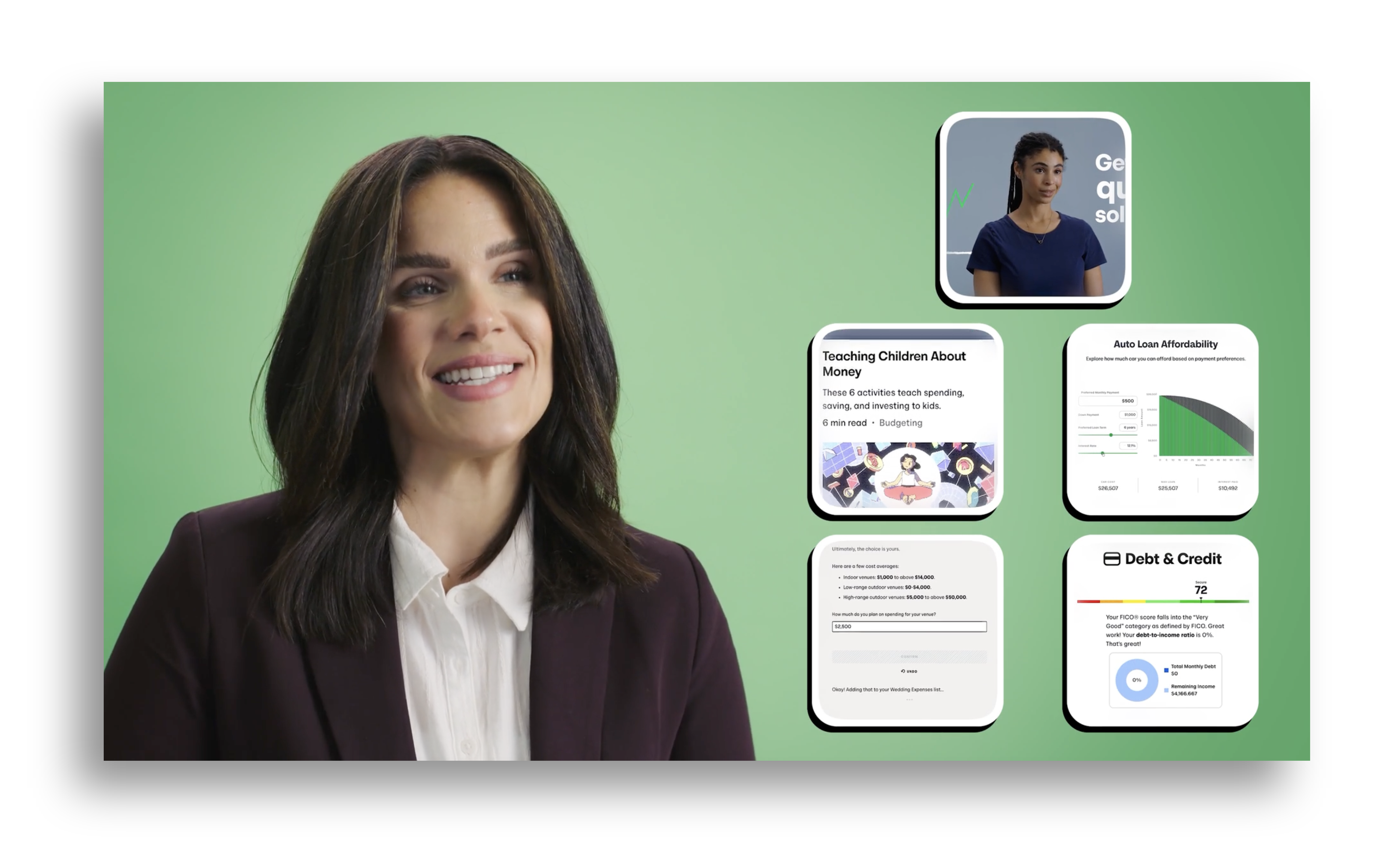
Wellness Center Introduction
Ages 15+ | Teens and Adults
Gives a tour of the Financial Wellness Center, walking users through the financial wellness assessment, videos, articles, calculators and coaches.

What's the 50/30/20 Rule?
Ages 15+ | Teens and Adults
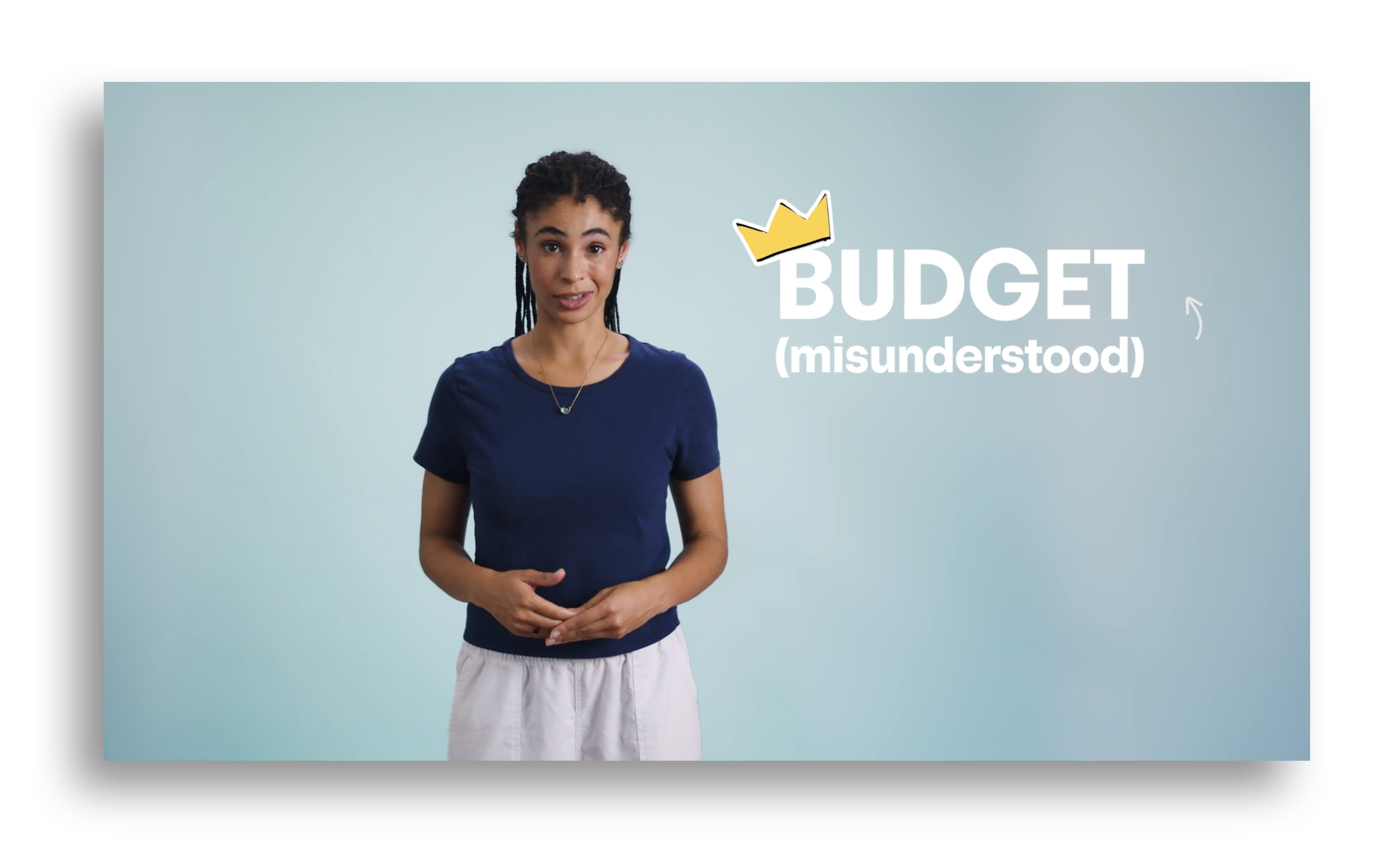
Describes the 50/30/20 Rule and stresses that spending on wants is fine in moderation.
What Accounts Are at My Financial Institution?
Ages 15+ | Teens and Adults
Covers checking, savings, high-yield savings, CDs and share certificates, APY, and FDIC/NCUA insurance.

How Do Auto Loans Work?
Ages 15+ | Teens and Adults
Covers down payments, trade-ins, loan-to-value ratio, preapproval, APR and what exactly determines a monthly payment.

How Do I Make Financially Healthy Investments?
Ages 15+ | Teens and Adults
Introduces four principles for financially healthy investments: goal-setting, risk tolerance, long-term thinking, and diversification.

How Does Credit Work?
Ages 15+ | Teens and Adults
Using a tree as a simple visual metaphor, this video shows how credit branches into installment and revolving accounts. From there, viewers learn how to read a credit report and deconstruct the exact factors that determine a FICO® Score.
How Do I Protect My Accounts?
Ages 15+ | Teens and Adults
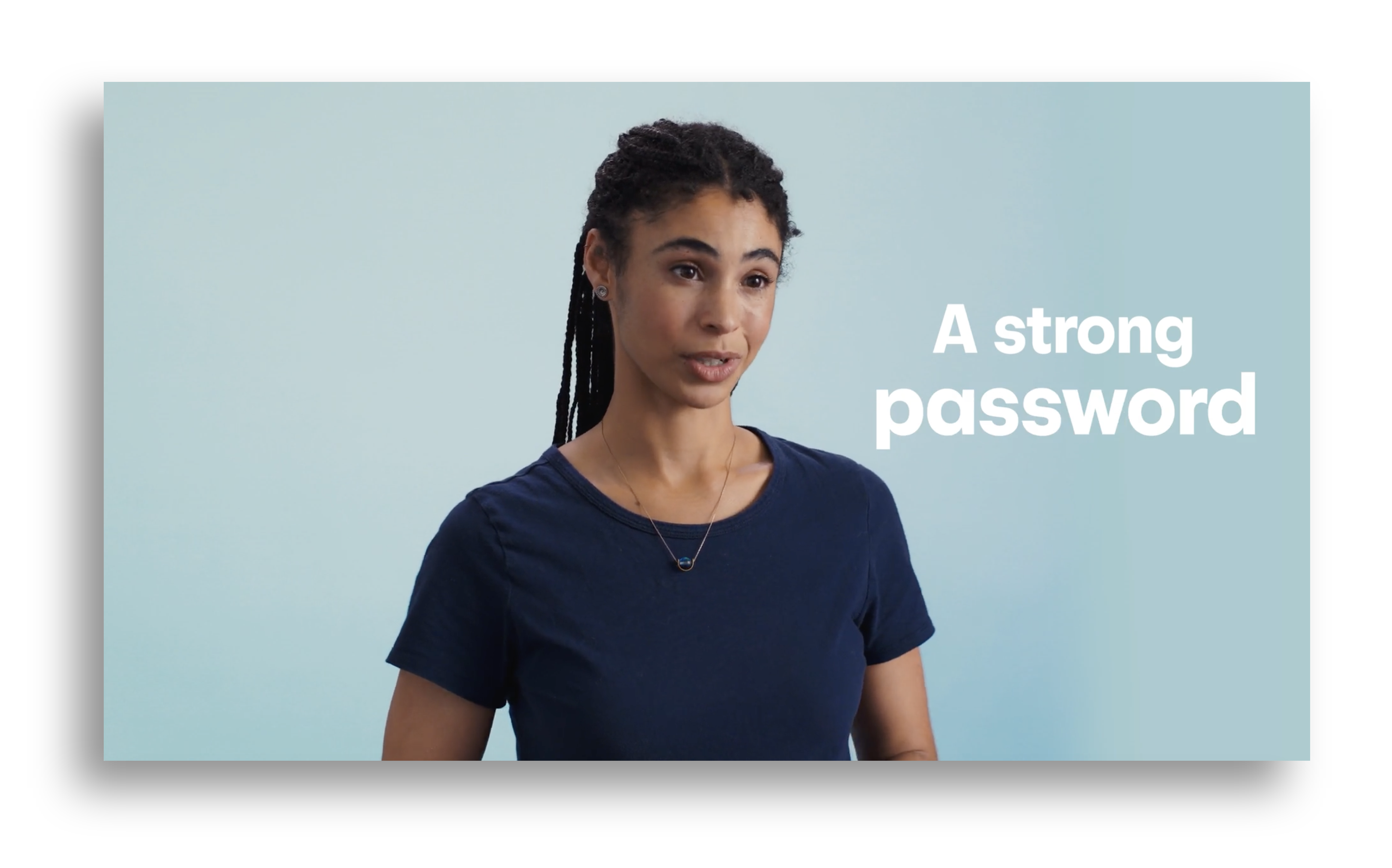
Covers strong passwords, password managers, two-factor authentication, software updates, and phishing.
How Do Mortgages Work?
Ages 15+ | Teens and Adults
This video compares conventional and government-backed loans (FHA, VA, and USDA), explores the trade-offs of fixed versus adjustable rates, and explains private mortgage insurance (PMI). It also breaks down the key components that make up a monthly mortgage payment.

How Can I Repay My Debt?
Ages 15+ | Teens and Adults
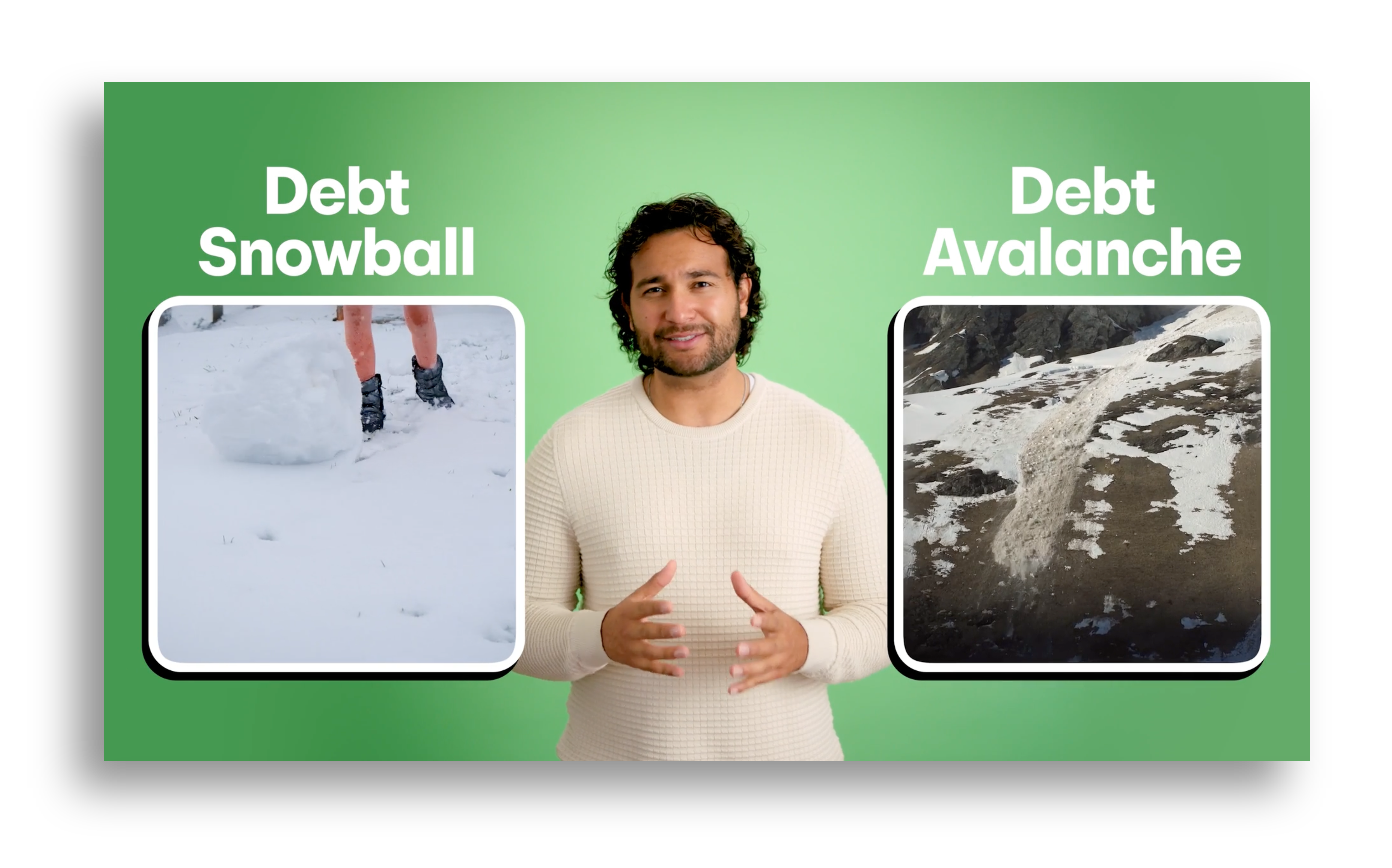
Compares the debt snowball and avalanche methods, then covers refinancing and debt counseling.
How Do Retirement Plans Work?
Ages 15+ | Teens and Adults
Covers 401(k)s, employer matches, IRAs, and traditional vs. Roth accounts.

How Do I Improve My Saving?
Ages 15+ | Teens and Adults
Using a trip to Europe as a real-world example, this video walks viewers through the practical steps to reach a big savings goal by saving with a purpose.

How Do I Spot a Scam?
Ages 15+ | Teens and Adults
Teaches viewers how to recognize common red flags of fraud, such as high-pressure urgency and emotional manipulation when requesting personal information. It also covers practical habits to stay safe online, including navigating directly to official websites rather than clicking unfamiliar links.

For Kids
Videos for younger audiences (ages 5–18), from elementary through high school. Each download includes 16x9 and 9x16 versions with the Banzai logo plus captions in six languages. No-logo versions aren't included for these videos.
Coins and Bills
Ages 5–11 | Grades K–5
Explains how bartering led to money as well as how to combine coins and bills to pay for things.

Earning Income
Ages 8–12 | Grades 3–6
Covers where money comes from: salary, hourly wages, commission and tips. It ends by linking the skills you build to the jobs you might want.

Financial Institutions
Ages 8–12 | Grades 3–6
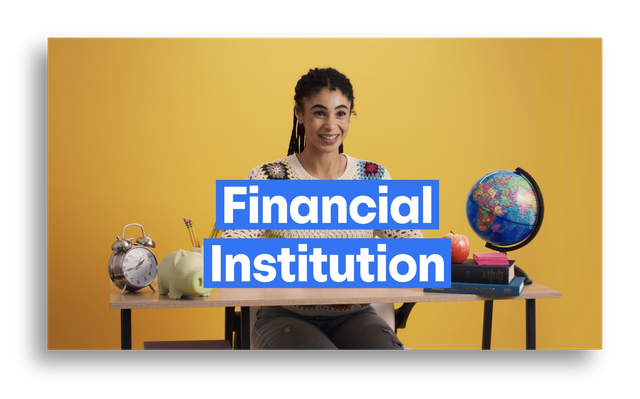
Understand how checking and savings accounts work, including debit cards, checks, interest, deposits, and withdrawals.
Managing Risk
Ages 8–12 | Grades 3–6
Introduces insurance (auto, health, home/renters), emergency funds and covers ways to avoid everyday risks.

Money Values
Ages 5–12 | Grades K–6
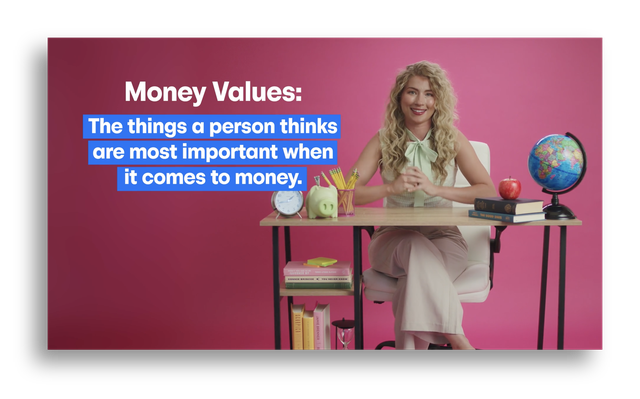
Explains that everyone feels differently about money, then walks through four steps to work out your own values.
What Is a Budget?
Ages 5–12 | Grades K–6
Teaches about the three-jar budget (Needs, Wants, Savings) and how people should always “fill” their needs jar first to make sure they have enough for necessities.

Borrowing Money
Ages 11–18 | Grades 6–12
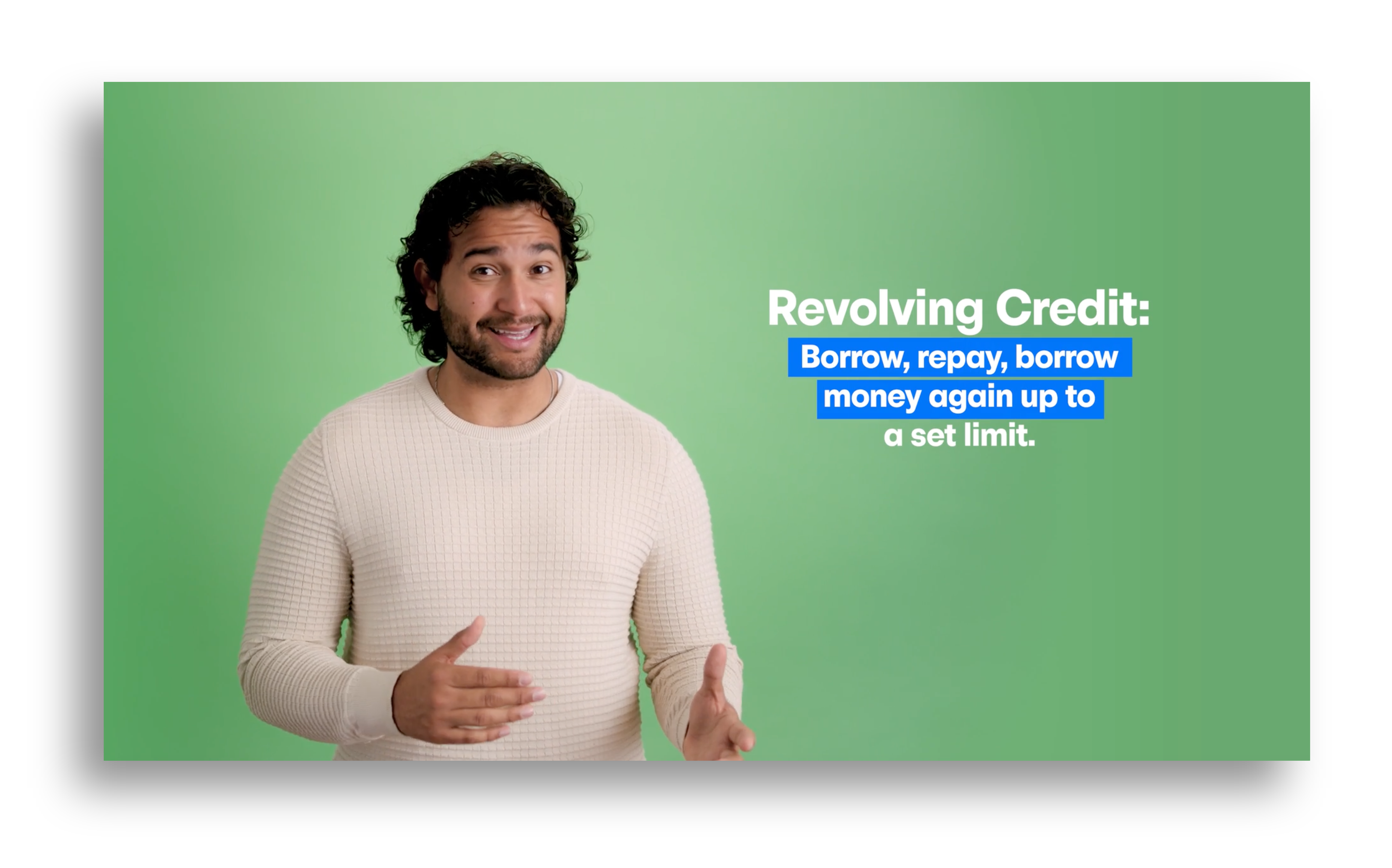
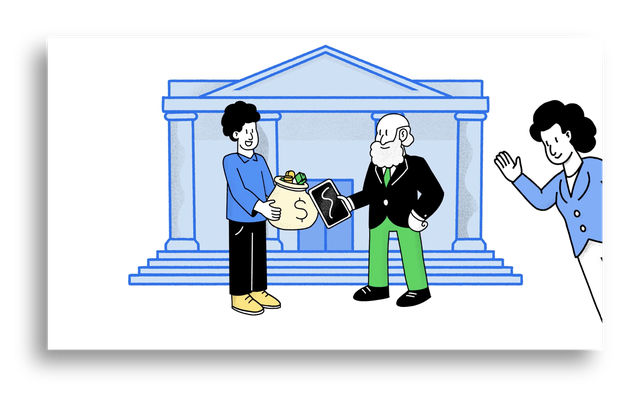
Breaks down essential terms, including principal, loan terms, and interest rates, and compares installment versus revolving credit using clear, everyday examples.
Consumer Smarts
Ages 11–18 | Grades 6–12
Uses a basketball analogy (2-pointer vs. 3-pointer) to teach opportunity cost when choosing between purchases.

Earning Interest
Ages 11–18 | Grades 6–12
Uses plates of cookies to compare simple and compound interest over a year.

Intro to Taxes
Ages 11–18 | Grades 6–12
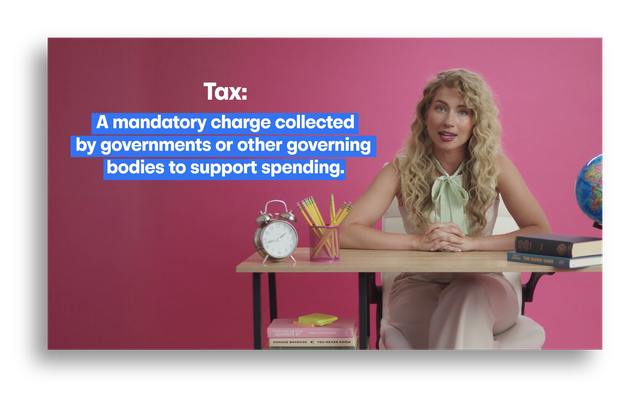
Covers income, property and sales taxes, what taxes pay for, and how filing a return leads to either a bill or a refund.
Intro to Investing
Ages 11–18 | Grades 6–12
Explains stocks, dividends, gains and losses, and the risk in trying to buy low and sell high.

Saving With a Purpose
Ages 11–18 | Grades 6–12
Explains the benefits of saving with a specific goal in mind and walks through the process of how best to do so.

Best Practices
These educational videos open up a world of possibilities for educational use. You can always come up with your own (no doubt more creative) ways of using them, but if you need some ideas to get you started, here are some ways we've thought up to help you get these out in front of your communities quickly:
In-Branch Digital Video Loops
Looking for content to throw up on your institution's TVs? This is a great tool. You have the freedom to use our Banzai-branded videos or download our "no-logo" versions and edit in your logo using a video editing software of your choice. Using your logo on the videos means consumers see your brand front and center while learning.
Using these looped videos in this manner is good no matter how you play your cards, but if you target the content of the videos to specific, relevant "zones" within your branches, you can make sure the videos are reaching a good target audience. For example: place fraud and digital safety videos near teller windows or ITMs where people conduct cash transactions, and run budgeting or home loan videos in waiting areas.

Web Placement (16x9)
Anchor the videos to specific product pages rather than burying them all in a video hub. An example of this would be putting the "How Do Mortgages Work?" video on the First-Time Homebuyer loan page.
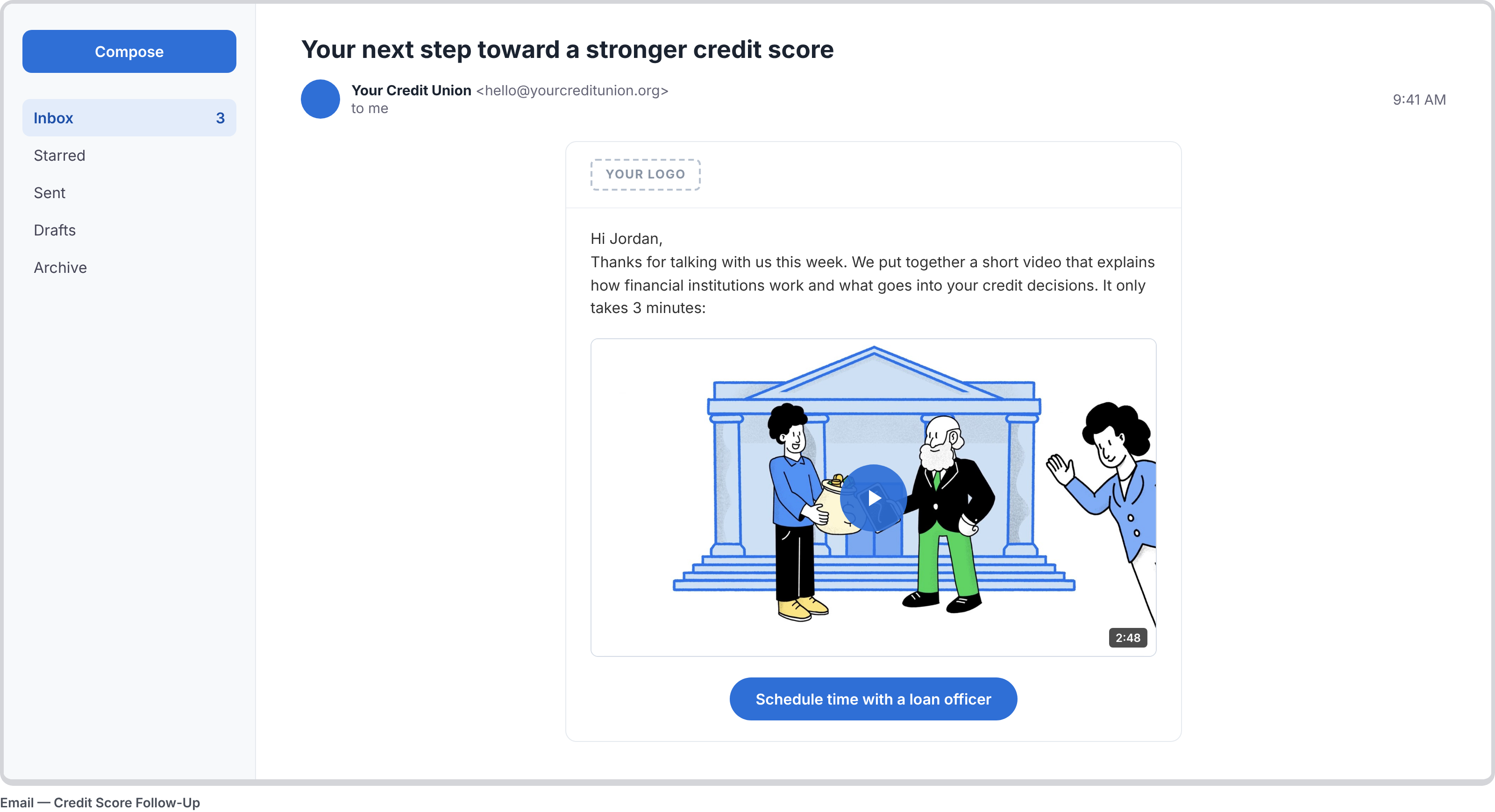
Another good feature to pair these videos with is Banzai's CTAs. For example, you can drop a CTA like "Questions about your credit score? Schedule time with a loan officer" with the "How Does Credit Work?" video.
Social Media Uses
Align your social media posts with seasonal financial habits like you would with any of our other educational and social content. This means pairing fraud and security videos with cybersecurity awareness months or credit education videos with credit education months. We have a content calendar prepared for you if you want to see some of these financially themed holidays here.
Chop the videos into smaller segments and post 9x16 cuts directly to Reels, TikTok, and YouTube Shorts with a hook in the caption directing viewers to your institution's financial wellness portal.


Multilingual Support
Leverage the .vtt files for community compliance by activating the Spanish, Vietnamese, Arabic, French, or Chinese captions, allowing marketing teams to launch targeted digital campaigns to specific non-English-speaking demographics. Then track engagement with these financial literacy videos across diverse language demographics to serve as solid supporting documentation for Community Reinvestment Act (CRA) reviews.
Employee and Member Service Tools
It's not a surprise when an account holder comes up to your employees with questions surrounding certain topics like credit and mortgages. These videos can act as frontline support for loan officers, Financial Service Representatives (FSRs), and Member Service Representatives (MSRs).
It can also be a good way to explain a perceived negative interaction from a denied application, whether mortgage, personal, or auto loan. Your employees can use it when someone gets denied when applying for any type of loan or line of credit. Staff can follow up with an email containing the credit video and savings goal resources as a relationship-building alternative to a cold rejection.